Source Ultra Bright Camping Headlamp for Mining, Hiking, and Emergency
Source an ultra bright camping headlamp from 30 verified listings. Compare features like Osram and CREE LED chips, IP44 waterproof ratings, and 100-300m irradiation distances. Options include Type-C charging, lithium-ion batteries, and customizable logos for professional outdoor and industrial applications.
Key considerations
Products List


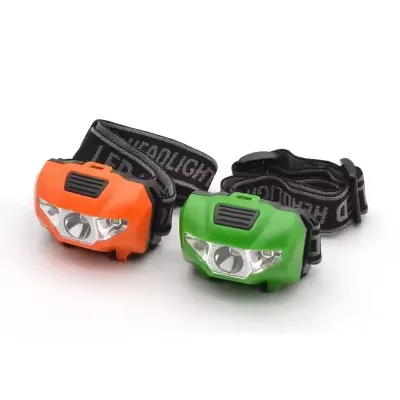


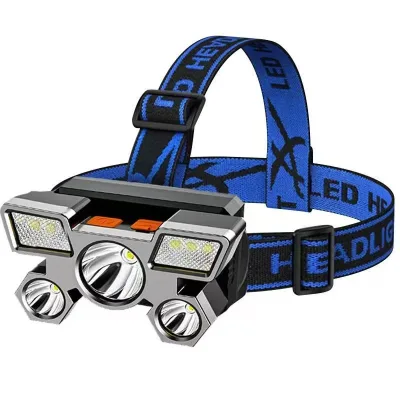


Comprehensive Sourcing Guide
Ultra Bright Camping Headlamp Sourcing Guide
Sourcing high-performance illumination for outdoor activities requires careful evaluation of optical output, battery reliability, and ruggedness. Buyers must distinguish between marketing claims and verified technical data to ensure the selected headlamp meets the demands of mining, hiking, camping, and emergency lighting scenarios. The market offers a variety of models with differing LED configurations, ranging from standard white light to multi-spectrum options including red and RGB modes. Understanding these variations is critical for matching product capabilities to specific operational needs, ensuring that the procurement aligns with both safety standards and user experience expectations.
This guide provides a structured approach to evaluating ultra-bright camping headlamps based on observed market signals and technical specifications. It focuses on verifying key attributes such as irradiation distance, lumens, and waterproof ratings, which are essential for durability in harsh environments. By adhering to evidence-based procurement practices, buyers can mitigate risks associated with inconsistent product quality and non-compliant certifications. The following sections detail the necessary steps for technical verification, compliance assessment, and supplier qualification, ensuring a robust sourcing strategy for reliable lighting solutions.
Product Scope and Observed Listing Signals
The current market for camping headlamps exhibits a wide price range, typically observed between 0.7 and 20 USD, reflecting significant variation in component quality and feature sets. Minimum order quantities (MOQs) vary substantially, ranging from small batches of 2 units to large industrial orders of up to 5000 units, catering to both niche retailers and large-scale distributors. This diversity allows buyers to scale procurement according to demand, but it also necessitates careful analysis of unit economics and supplier capacity. The presence of customization options indicates that many manufacturers are willing to adapt products for private labeling or specific technical requirements, adding flexibility to the sourcing process.
Observed product attributes highlight a strong emphasis on durability and versatility, with features such as shock-resistance, waterproofing, and anti-fog capabilities being common selling points. Battery types are predominantly lithium-ion or polymer lithium, with built-in capacities often cited around 1000mAh, supporting run times of 3-5 hours depending on the mode used. Irradiation distances vary from 50-100m to 200-300m, indicating that buyers must specify their required beam throw to avoid underperformance. Additionally, the use of LED chips from brands like Osram and CREE suggests a tiered market where premium components justify higher price points, while generic LEDs may offer cost savings with potentially lower longevity.
Technical Specifications to Verify
Verifying the actual lumens and LED configuration is paramount, as specifications can vary significantly between models. For instance, some units offer 300 lumens with a combination of XPG white, COB white, red, and RGB lights, while others may claim up to 1000 lumens using single or dual LED setups. Buyers should confirm the exact LED type, such as XPG or COB, and the presence of multiple lighting modes, including steady, strobe, and color options. The charging method is another critical specification, with Type-C USB becoming a standard for convenience, reducing the need for proprietary cables and simplifying logistics for end-users.
Battery performance and physical dimensions also require close scrutiny to ensure compatibility with intended use cases. Run times are typically listed as 3-5 hours, but this can vary based on the selected brightness level and battery health. Weight is a significant factor for comfort during extended wear, with observed weights ranging from 65g to 149g, influencing the choice between lightweight hiking models and heavier-duty industrial versions. Waterproof ratings, such as IP44, should be verified against environmental conditions, ensuring that the headlamp can withstand rain and dust without internal damage, which is crucial for reliability in camping and emergency scenarios.
Compliance and Safety Documentation
Certification is a non-negotiable aspect of sourcing, with common marks including CE, RoHS, FCC, EMC, and KEMA. These certifications indicate compliance with regional safety, electromagnetic compatibility, and environmental standards, which are essential for market access in Europe, North America, and other regulated jurisdictions. Buyers must request valid certificates for each model, ensuring that they are issued by recognized testing bodies and are up-to-date. The presence of multiple certifications suggests a higher level of quality control, but verification is necessary to prevent the use of forged or expired documents, which can lead to customs delays or product recalls.
Beyond certifications, documentation should include detailed technical datasheets and user manuals that accurately reflect the product’s capabilities. These documents should specify the battery type, charging instructions, and safety warnings, ensuring that end-users can operate the device safely. Lighting solutions services, such as circuitry design, may also be offered by suppliers, indicating a higher level of engineering support. Buyers should assess the supplier’s ability to provide comprehensive documentation, as this reflects their commitment to transparency and product integrity, reducing the risk of receiving non-compliant or poorly documented goods.
Cost Drivers and Commercial Terms
Several factors influence the final cost of ultra-bright camping headlamps, including the LED brand, battery capacity, and additional features like RGB lighting or sensor switches. Models with premium LEDs such as Osram or CREE, and those offering multiple lighting modes, typically command higher prices. Customization options, such as logo printing or custom packaging, also add to the cost, requiring buyers to balance branding needs with budget constraints. The MOQ plays a significant role in pricing, with larger orders often benefiting from economies of scale, reducing the unit cost for high-volume purchasers.
Commercial terms, including payment methods and shipping arrangements, should be clearly defined to avoid hidden costs. Buyers should negotiate for favorable terms, such as partial payments or extended credit periods, to manage cash flow effectively. Shipping costs can vary based on the weight and dimensions of the product, with observed standard sizes like 573540mm or 723838mm affecting logistics planning. It is advisable to request detailed quotes that break down product costs, tooling fees, and shipping expenses, ensuring transparency and enabling accurate total cost of ownership calculations.
Supplier Qualification and Quality Control
Supplier qualification involves assessing the manufacturer’s production capabilities, quality management systems, and track record. Buyers should verify the supplier’s origin, with many headlamp manufacturers located in Zhejiang, China, a hub for electronics and lighting production. This regional concentration can offer advantages in terms of supply chain efficiency and component availability, but it also requires due diligence to ensure that the supplier adheres to international quality standards. Requesting factory audits or third-party inspections can provide insights into production processes, helping to identify potential risks related to manufacturing consistency and quality control.
Quality control measures should be established to ensure that each batch meets the specified technical and compliance requirements. Buyers should implement incoming inspection protocols, checking for defects in LEDs, batteries, and housing materials. Sampling tests for waterproofing, shock resistance, and battery performance can help verify product reliability before full-scale production. Establishing clear acceptance criteria and communication channels with the supplier is essential for addressing any quality issues promptly, ensuring that the final product meets the buyer’s expectations and maintains brand reputation in the market.
Long-Term Procurement Checks
Long-term procurement success depends on continuous monitoring of product performance and supplier reliability. Buyers should track warranty claims and customer feedback to identify any recurring issues, such as battery degradation or LED failure, which may indicate underlying quality problems. Maintaining open communication with the supplier allows for timely adjustments to specifications or processes, ensuring that the product remains competitive and compliant with evolving market standards. Regular reviews of supplier performance, including on-time delivery and responsiveness, help maintain a strong partnership and mitigate supply chain risks.
Additionally, staying informed about regulatory changes and technological advancements is crucial for long-term sourcing strategies. Buyers should periodically re-evaluate certifications and technical specifications to ensure continued compliance and relevance. Exploring new LED technologies or battery innovations can provide opportunities for product differentiation and cost optimization. By adopting a proactive approach to procurement, buyers can build a resilient supply chain that supports sustainable growth and meets the dynamic needs of the camping and emergency lighting markets.
FAQs
What certifications do these headlamps hold?
These headlamps hold EMC, KEMA, ISO, FCC, CE, and RoHS certifications. These credentials ensure compliance with international safety and electromagnetic standards. Buyers can verify these documents to meet regulatory requirements for mining, hiking, and emergency lighting applications across different global markets.
How long is the battery run time?
The battery run time is typically 3-5 hours on a full charge. This duration supports extended use for hiking, camping, and emergency lighting. The built-in polymer lithium battery ensures reliable performance during outdoor activities, providing consistent illumination when needed most in low-light conditions.
Can I customize the logo on the product?
Yes, customization is available for logos on these headlamps. Manufacturers offer customized logo options to help brands establish identity. This service allows buyers to add their branding to the product packaging or the device itself, supporting private label strategies for retail distribution.
What is the irradiation distance of the beam?
The irradiation distance ranges from 50 to 300 meters depending on the model. Some units reach 100-200m while others achieve 200-300m. This variation allows buyers to select the appropriate brightness and range for specific tasks like mining exploration or night hiking trails.
What charging method does the device use?
The device uses a Type C USB cable for charging. This modern interface ensures fast and convenient power replenishment. The charging time is approximately 2-3 hours, making it easy to maintain readiness for emergency lighting or outdoor adventures without complex power setups.
Is the headlamp waterproof for outdoor use?
Yes, the headlamp is waterproof with an IP44 rating. It features shock-resistant and anti-fog designs for durability. These attributes make it suitable for rugged environments like mining, hiking, and camping, ensuring reliable operation even in wet or dusty conditions during extended outdoor activities.